
TVOJA DIJETA Reduslim

 dijete
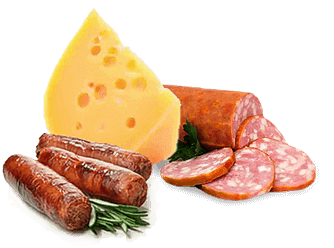
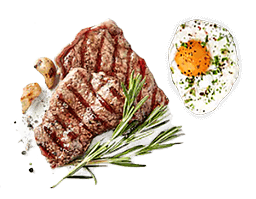
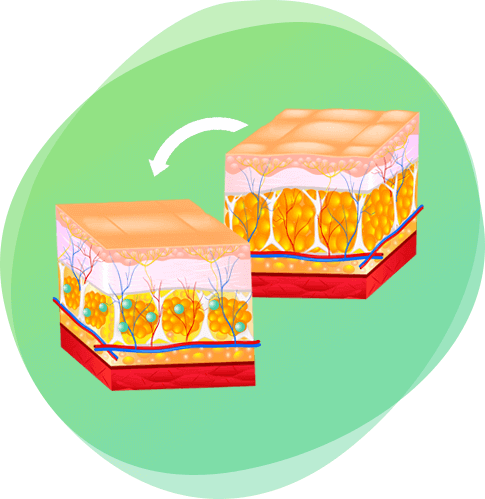
Cilj keto dijete je ograničenje unosa ugljenih hidrata kako bi telo nakon 7–10 dana prešlo u stanje ketoze. Ketoza je M€TAB0LlC0 stanje u kojem organizam kao izvor energije koristi masti i ketone umesto ugljenih hidrata.
Telo troši više kalorija za razgradnju masti nego za ugljene hidrate – zato se višak kilograma gubi brže. Čak i tvrdokorne masne naslage počinju da nestaju.
Istovremeno, unos proteina je dovoljan, pa ne osećate stalnu glad kao kod većine dijeta.
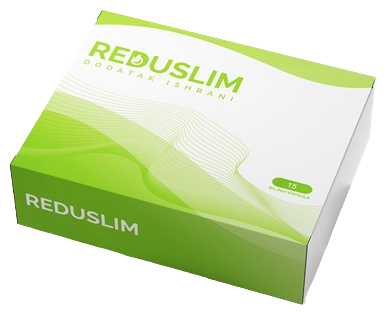
Reduslim
- Pomaže da se izgubi težina bez gubitka mišićne mase
- Podstiče intenzivno sagorevanje masnoća
- Obnavlja zalihe glikogena i podstiče formiranje mišića
- Smanjuje osećaj gladi i želju za nezdravom i slatkom hranom


KAKO DELUJE Reduslim?
Tijelo ne počinje odmah koristiti masti kao energiju — obično treba 4–10 dana. Ograničenje ugljenih hidrata i fizička aktivnost pomažu da proces ketoze krene brže.
Sada Reduslim omogućava telu da uđe u stanje ketoze gotovo odmah – već nakon 45 minuta od uzimanja. Proces sagorevanja masnoće počinje odmah. Vremenom se poboljšava varenje, ubrzava M€TAB0LlZAM i organizam se čisti od toksina.
Preparat uzimajte strogo prema uputstvu kako biste svoje telo doveli u savršenu formu.
 VAŽNO!

MIŠLJENJE STRUČNJAKA O Reduslim:


Najveći izazov pri mršavljenju je sagorevanje potkožne masti, jer telo uvek prvo koristi ugljene hidrate kao izvor energije. Ta mast je razlog zašto ne vidite rezultate na vagi.
Zahvaljujući keto dijeti, telo počinje da koristi ketone — energiju dobijenu razgradnjom masti. Međutim, da bi došlo do ketoze, najpre moraju da se potroše zalihe glikogena iz jetre i mišića. To obično traje 4–10 dana.
Kada moji pacijenti žele da ubrzaju ovaj proces ili bezbedno izgube višak kilograma, preporučujem im Reduslim.
Ovaj preparat pokreće sagorevanje masnoća već u prvih 45 minuta. Ubrzava M€TAB0LlZAM, podržava imunitet, i što je najvažnije — pacijent nije gladan i nema potrebu za slatkišima.
pre

posle
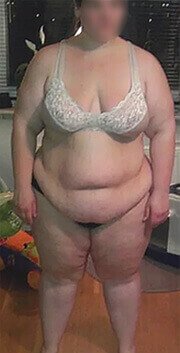
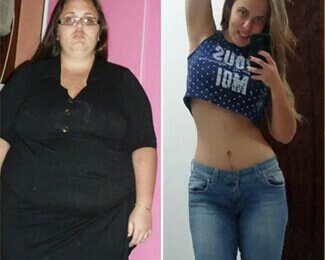
Pacijentkinja mi se obratila sa do tada najvećom telesnom težinom — 91 kg. Pre toga je pokušavala da smrša gladovanjem i dijetama, ali su rezultati bili kratkotrajni — kilaža se uvek vraćala duplo.
Nakon analiza, otkriveno je da je njen nivo ketona u organizmu bio izuzetno nizak — što je bio glavni razlog brzog gojenja. Preporučila sam joj Reduslim.
NIVO KETONA U ORGANIZMU DIREKTNO UTIČE NA TELESNU TEŽINU. VIŠE Reduslim – MANJA VEROVATNOĆA ZA GOJAZNOST.

Elegantan izgled
je tvoj put ka oslobađanju od kompleksa
Daj svojim drugaricama razlog da ti zavide i spremi se za pažnju muškaraca




KAKO NARUČITI Reduslim
PITANJA?
SPREMNI SMO DA ODGOVORIMO
DA LI JE POGODAN ZA VEGANE?
Sakrij odgovorDA LI Reduslim UTIČE NA HORMONSKU RAVNOTEŽU?
Prikaži odgovorKOLIKO DUGO JE BEZBEDNO KORISTITI KETO DIJETU I Reduslim?
Prikaži odgovorMOGU LI SAMO KORISTITI Reduslim I MRŠAVITI?
Prikaži odgovor
NARUČI
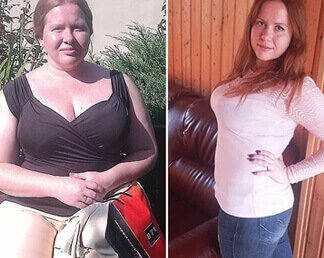
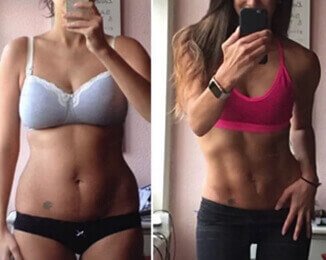
ŠTA KAŽU ŽENE KOJE SU
ISPROBALE Reduslim KURSU
DO IDEALNE TEŽINE VAS DELI SAMO JOŠ MALO!
Reduslim ĆE UČINITI DA IZGLEDATE LEPO BRŽE NEGO ŠTO MISLITE!
NARUČI



NARUČI